
Building Projects That Meet Your Timeline
Residential construction in Lafayette for property owners starting new builds or expanding existing structures
Castle Row Construction handles residential construction, commercial construction, industrial construction, large scale renovations, tenant improvements, and institutional construction across Lafayette. You work with a crew that coordinates permits, manages subcontractors, and keeps the job moving from foundation pour to final walkthrough.
The work starts with site prep and runs through framing, mechanical rough-ins, exterior closure, interior finishes, and punch list completion. Each phase depends on inspections, material delivery schedules, and weather windows that affect concrete curing and exterior work. You see progress in measurable stages: slab poured and cured, walls framed and sheathed, roof dried in, utilities roughed and inspected, drywall hung and finished, fixtures installed and operational.
Reach out to discuss your project scope and review how the construction timeline fits your occupancy or business launch date.
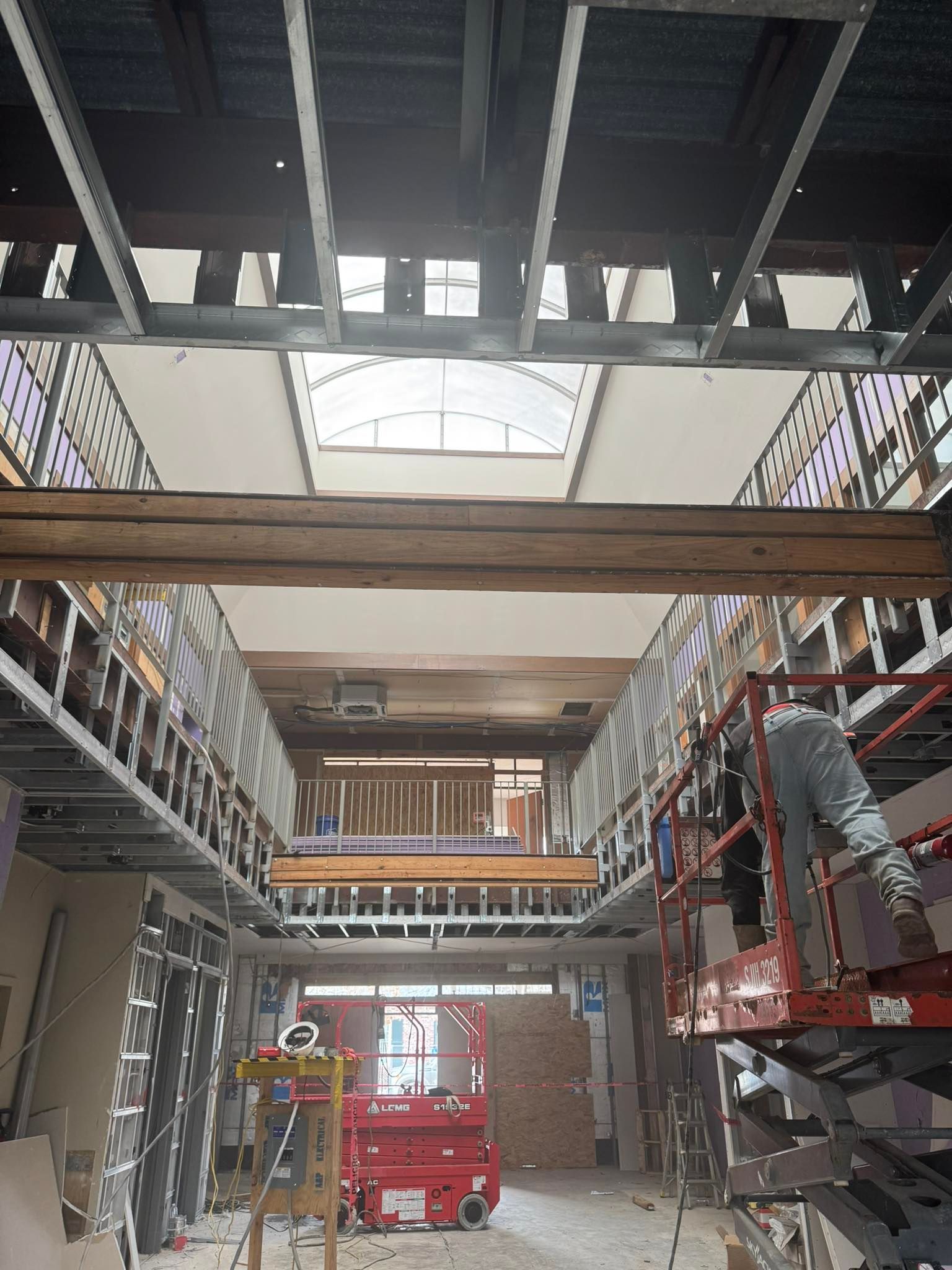
How the Construction Process Moves Forward
Your project follows a sequenced schedule where each trade completes their scope before the next crew moves in. Framers set walls and trusses, then roofers apply underlayment and shingles while electricians and plumbers run rough lines inside the framed structure. HVAC ducts go in before insulation, and drywall goes up after rough inspections clear.
When the work is done, you walk into a building with functioning systems, finished surfaces, and hardware that operates as specified. Castle Row Construction coordinates the inspection schedule so that each phase closes out before the next one starts, reducing delays that come from failed inspections or incomplete prep work.
The scope includes structural work, exterior enclosure, mechanical systems, and interior finishes as outlined in your contract documents. Site utilities, off-site improvements, and furnishings typically fall outside the construction contract unless specifically included in the scope of work.
What to Know Before Construction Starts
Most projects raise questions about timing, approvals, and what happens when site conditions differ from the plan. The answers below address the most common concerns that come up during pre-construction and active build phases.
- What happens if the site has more fill than expected? You adjust the foundation design or add compaction and re-grade before the slab pour to meet bearing capacity requirements.
- How long does framing typically take on a commercial build? Framing duration depends on building size and complexity, but most commercial structures move from slab to dried-in within four to eight weeks once material is on site.
- When do utility connections get scheduled? Utility providers in Lafayette require advance coordination, so those connections typically happen after rough inspections clear and before you need active service for testing or occupancy.
- Why does the schedule include buffer time between phases? Buffer time accounts for inspection delays, weather impacts, and material lead times that vary with market conditions and product availability.
- What gets included in the final walkthrough? You review completed work against the contract documents, test operational systems, and document any items that need correction before the contractor releases the project for occupancy or beneficial use.
Construction projects run smoother when you understand how each phase connects to the next and what approvals need to happen before work can proceed. Contact Castle Row Construction to review your project requirements and confirm how the scope aligns with your budget and schedule.